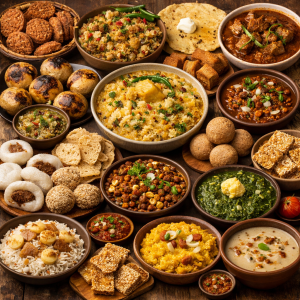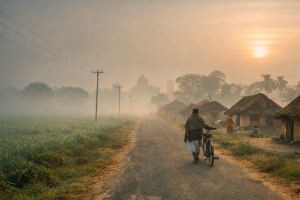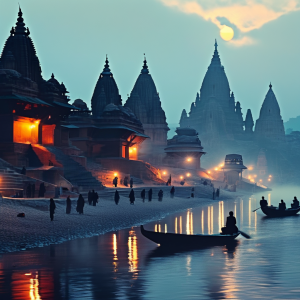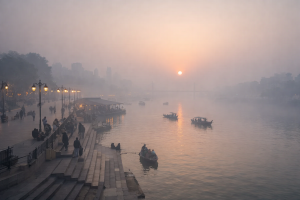
Because Bihar’s recipes came from:
✔ Ancient empires
✔ Forest tribes
✔ Buddhist and Jain traditions
✔ Farmers who needed food that survived heat and long workdays
✔ Villagers who cooked with wisdom, not excess
Every dish is a survival story, a cultural imprint, and a taste of a forgotten India.
Every Bite Carries 2000 Years of History.

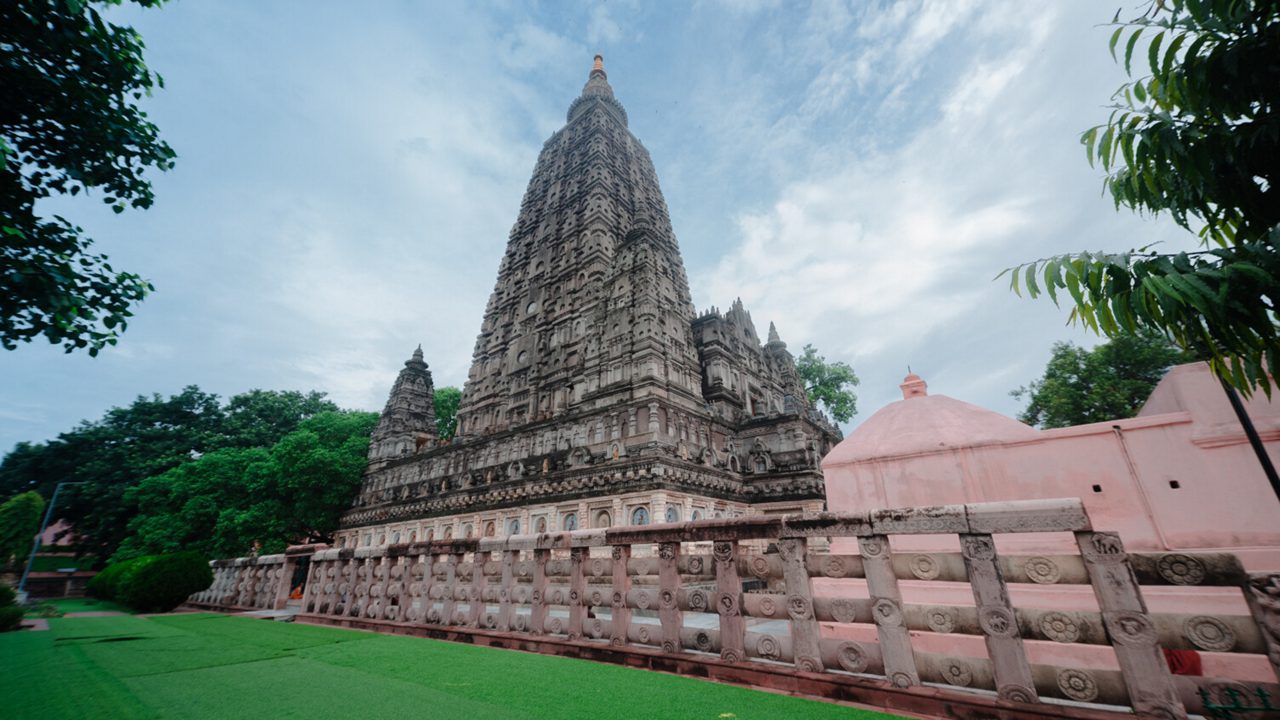
Bihar isn’t just a land of ancient empires, monks, and monuments — it is also a cradle of some of India’s oldest food traditions. Here, recipes weren’t merely cooked… they were carved into culture, carried through dynasties, and perfected over centuries.
If you’ve ever tasted Bihari food, you already know:
It is simple, soulful, and surprisingly ancient.
Let’s dive into the origin stories behind Bihar’s most legendary dishes — the ones that shaped the identity of this land long before borders existed.
1. Litti–Chokha: The Warrior’s Meal of Ancient Bihar
Before the dish became a roadside superstar, Litti was the go-to food for soldiers of the Magadha and Mauryan empires.
✔ Why?
Because litti could stay fresh for days and needed no oil, no fridge, no fuss.
The chokha — smoky mash of roasted vegetables — came from villagers cooking over wood-fired chulhas.
Litti wasn’t a recipe. It was survival.
Today, it’s nostalgia served on a plate.
2. Sattu: India’s Oldest “Protein Powder”
Invented long before modern nutrition science, sattu was Bihar’s secret energy booster.
✔ Origin Story
- Mauryan soldiers carried roasted gram flour for stamina
- Farmers consumed sattu for heat resistance and hydration
- Buddhist monks used it during long travels on foot
Whether as sattu drink, sattu paratha, or sattu laddoo, this humble flour is Bihar’s oldest superfood.
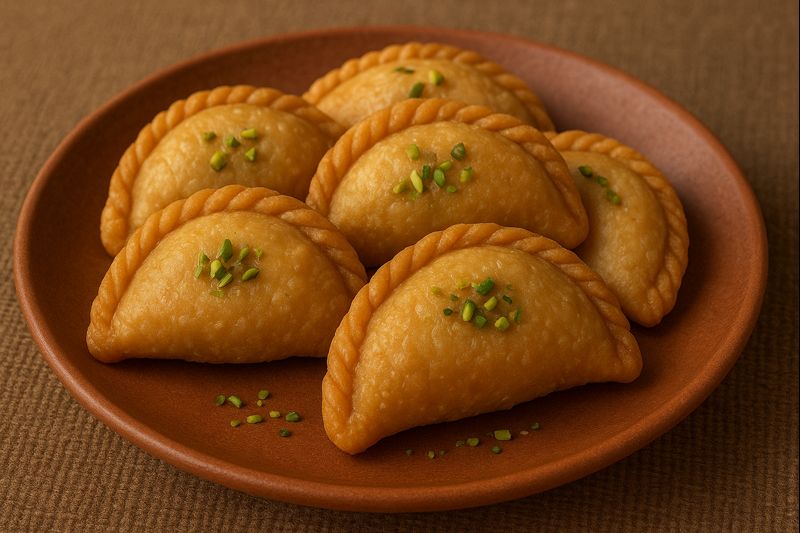
3. Khaja: The Ancient Sweet Still Offered at Temples
Crispy, flaky Khaja is older than the Nalanda University!
This sweet originates in Silao, a region known since the Gupta period for its unique climate that gives khaja its signature crispness.
✔ Fun fact
Khaja is believed to be the inspiration for the modern-day Baklava, carried westwards through trade routes.
Bihar kept the original. The world modified it.
4. The OG Pua & Malpua — India’s Earliest Festive Sweet
During the ancient Chaitya festivals of Magadha, villagers prepared pua using barley or wheat flour mixed with jaggery.
Over centuries, this evolved into
→ Malpua (with milk),
→ Pua (jaggery version),
→ and even Bihari pancakes!
Every Holi, Bihar still preserves this 1000-year-old sweet tradition.
5. Kadhi–Bari: The Monsoon Dish of Rural Bihar
Born from Bihar’s rainy-season rhythm, kadhi-bari was created for days when vegetables were scarce.
✔ Why it survived for centuries?
Because it is
- light,
- gut-healing,
- perfect for monsoon digestion.
Even today, no Saawan festival feels complete without it.
5. Kadhi–Bari: The Monsoon Dish of Rural Bihar
Born from Bihar’s rainy-season rhythm, kadhi-bari was created for days when vegetables were scarce.
✔ Why it survived for centuries?
Because it is
- light,
- gut-healing,
- perfect for monsoon digestion.
Even today, no Saawan festival feels complete without it.
7. Handia & Mahua – Tribal Bihar’s Forgotten Ferments
Before modern brewing existed, the Adivasi communities of Jharkhand–South Bihar region created Handia, a fermented rice drink using 20+ herbal roots.
Mahua, on the other hand, is made from forest blossoms that bloom only once a year.
These are not drinks — they are ancient science.
8. Chura–Dahi: The Monk’s Meal of Peace
Simple, soothing, and deeply symbolic.
This dish was eaten by
- Buddhist monks,
- farmers before long field work,
- travellers passing through the Gangetic plains.
It represents Bihar’s food in one line:
“Minimal ingredients, maximum nourishment.”
From litti baked in cow-dung ovens to sattu carried by emperors to khaja perfected by ancient sweet-makers — Bihar’s cuisine is timeless, earthy, and rooted in heritage.
If food is memory, then Bihar is unforgettable.