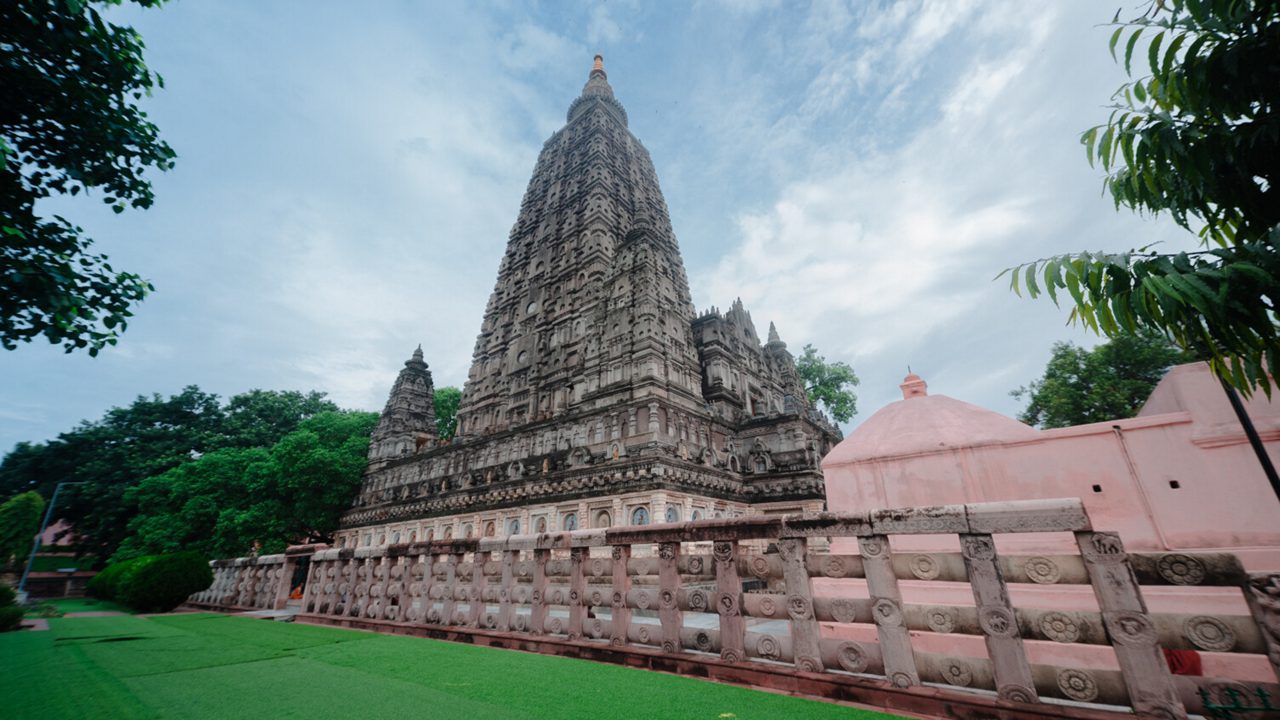
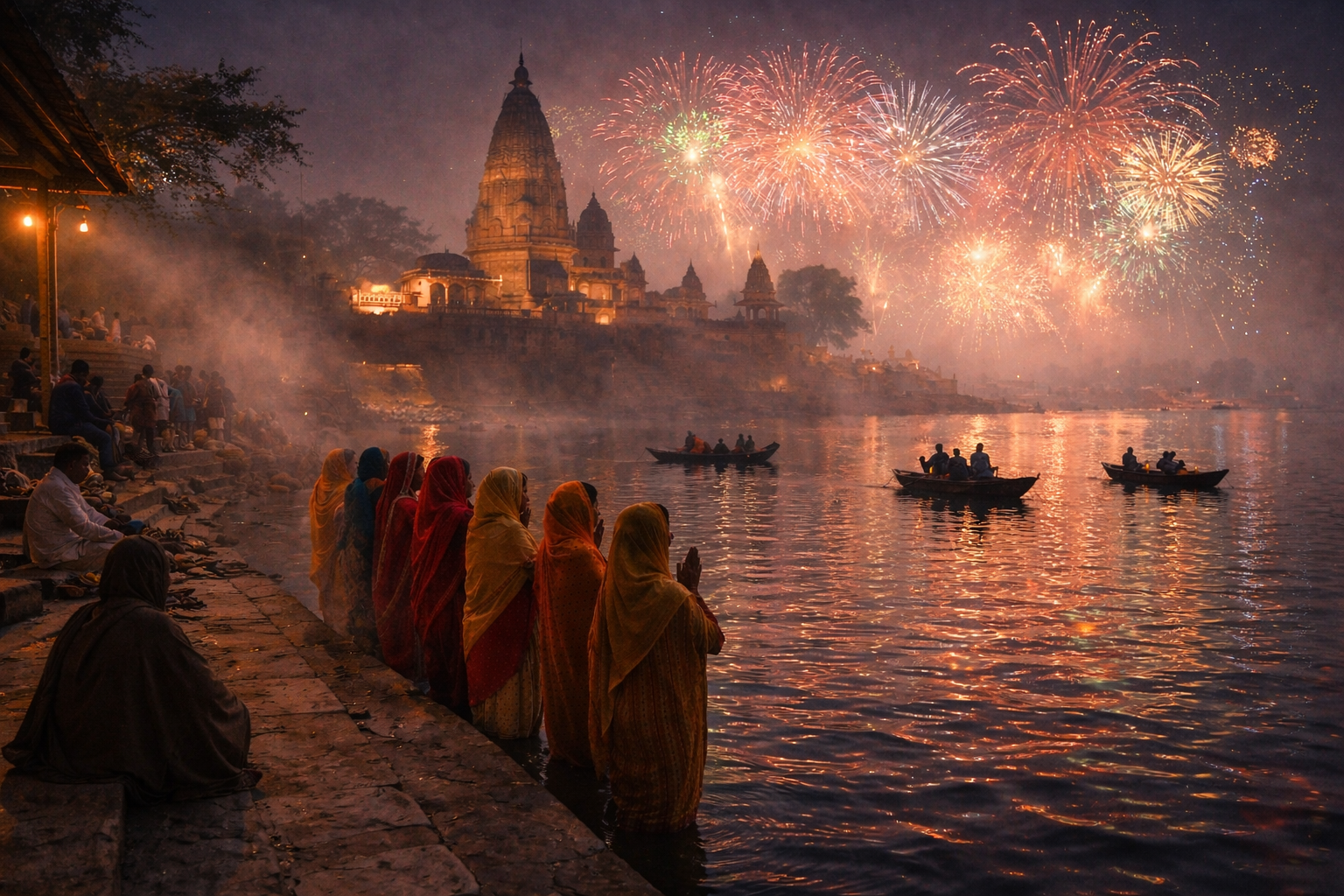
As December settles in and the year prepares to turn its final page, Bihar reveals itself in a familiar yet transformed light. This was not a year of loud announcements or overnight miracles. Instead, 2025 unfolded slowly, honestly, and powerfully—through festivals on riverbanks, conversations in small towns, renewed interest in heritage, and a growing curiosity from those who once overlooked this land.
Bihar did not chase attention this year. It earned it.
Where the Year Began: Roots That Never Fade
Every year in Bihar begins the same way—anchored in history. But in 2025, there was a noticeable shift in how people engaged with that history. Nalanda was no longer just a ruin to photograph; it became a subject of conversation again. Rajgir was not just a tourist stop; it felt like a living classroom. From Vaishali to Bodh Gaya, travelers and locals alike began to look deeper, asking questions, listening to stories, and reconnecting with Bihar’s civilizational role.
This renewed curiosity wasn’t accidental. It reflected a larger desire to reclaim narratives—moving beyond stereotypes to rediscover Bihar as a land of ideas, learning, and quiet wisdom.
Festivals That Felt More Personal Than Ever
If there is one thing that defined Bihar in 2025, it was togetherness.
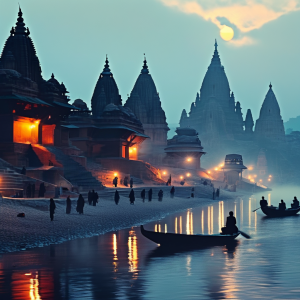
Chhath Puja once again transformed riverbanks into spaces of devotion and discipline. But this year, the festival carried an added weight—of resilience, gratitude, and belonging. In Patna, Begusarai, Muzaffarpur, and countless villages, families gathered not just to perform rituals, but to pause, reflect, and reconnect.
Other festivals followed with equal warmth. Sama-Chakeva in Mithila revived folk songs and sibling bonds. Holi felt less hurried, Diwali more intimate. These celebrations reminded everyone that Bihar’s festivals are not events—they are emotions passed down through generations.
The Bihar People Started Talking Back
One of the most powerful changes in 2025 was not visible on maps or headlines—it happened online.
More Biharis began sharing their own stories. Travel blogs highlighted lesser-known lakes, forgotten temples, and seasonal fairs. Artisans found new audiences. Young writers, photographers, and historians took to digital platforms to say, “This is our Bihar.”
For the first time in years, the conversation shifted. Bihar was no longer being explained by outsiders. It was being unfolded by its own people.
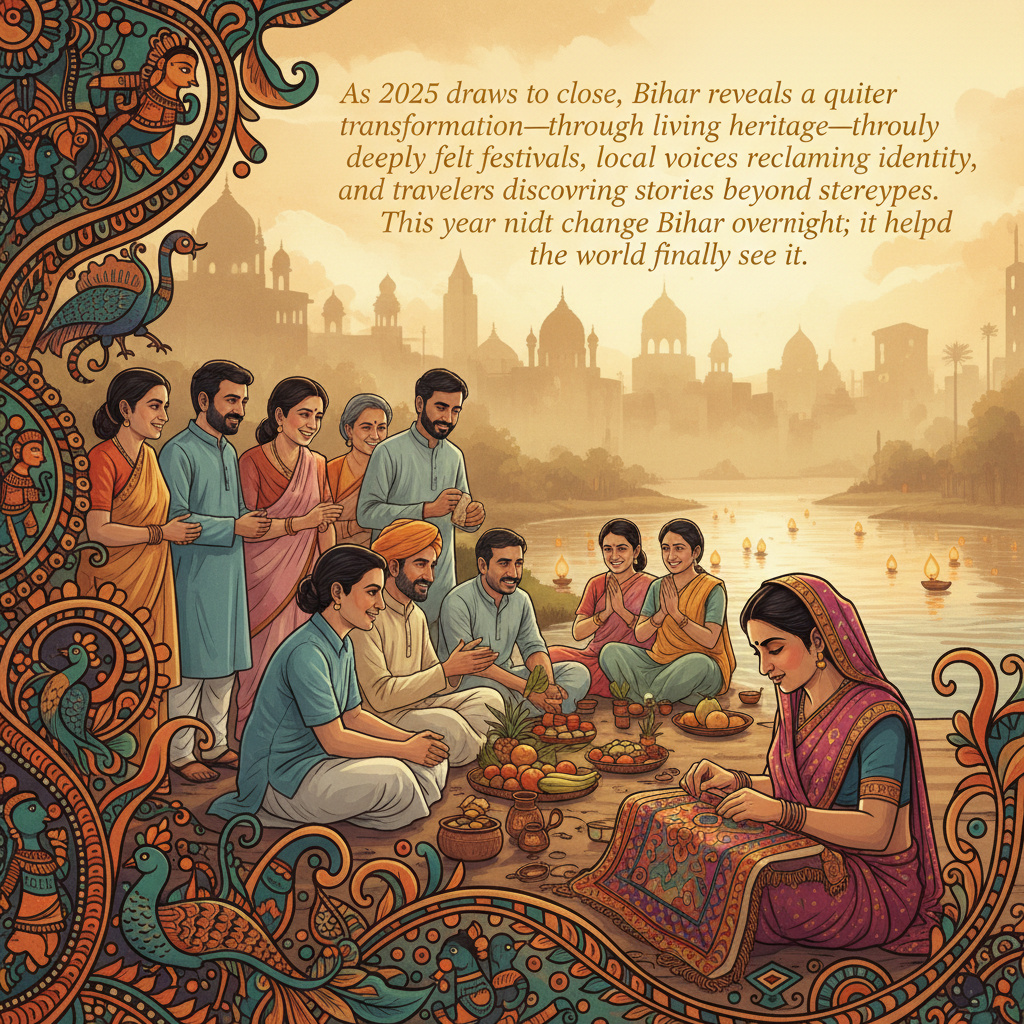
Politics, Change, and the Mood of the State
The year also witnessed a significant political moment with the Bihar Assembly elections. Beyond results and alliances, what stood out was participation. Voters engaged actively, debates extended beyond rallies into homes and tea stalls, and expectations were clear—stability, development, and dignity.
Whether hopeful or cautious, Bihar ended 2025 politically alert and deeply aware of its role in shaping the future.
Travel in Bihar Felt Different This Year
2025 quietly marked a turning point for Bihar tourism.
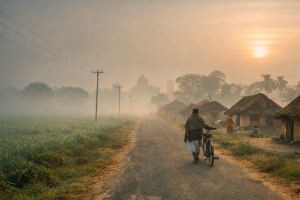
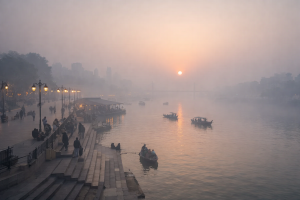
Instead of checklist tourism, visitors started seeking experiences—sunrise at a ghat, conversations with locals, evenings in small markets, stories behind ruins. December, in particular, painted Bihar in soft light: foggy mornings, calm rivers, empty roads leading to ancient sites.
Those who visited didn’t just leave with photos. They left with perspective.
What 2025 Taught Us About Bihar
This year proved one thing clearly: Bihar does not need reinvention. It needs attention.
Attention to its layers, its voices, its contradictions, and its beauty. 2025 reminded us that Bihar’s strength lies in continuity—in how the past flows into the present, just like the Ganga flows through the state, steady and unstoppable.
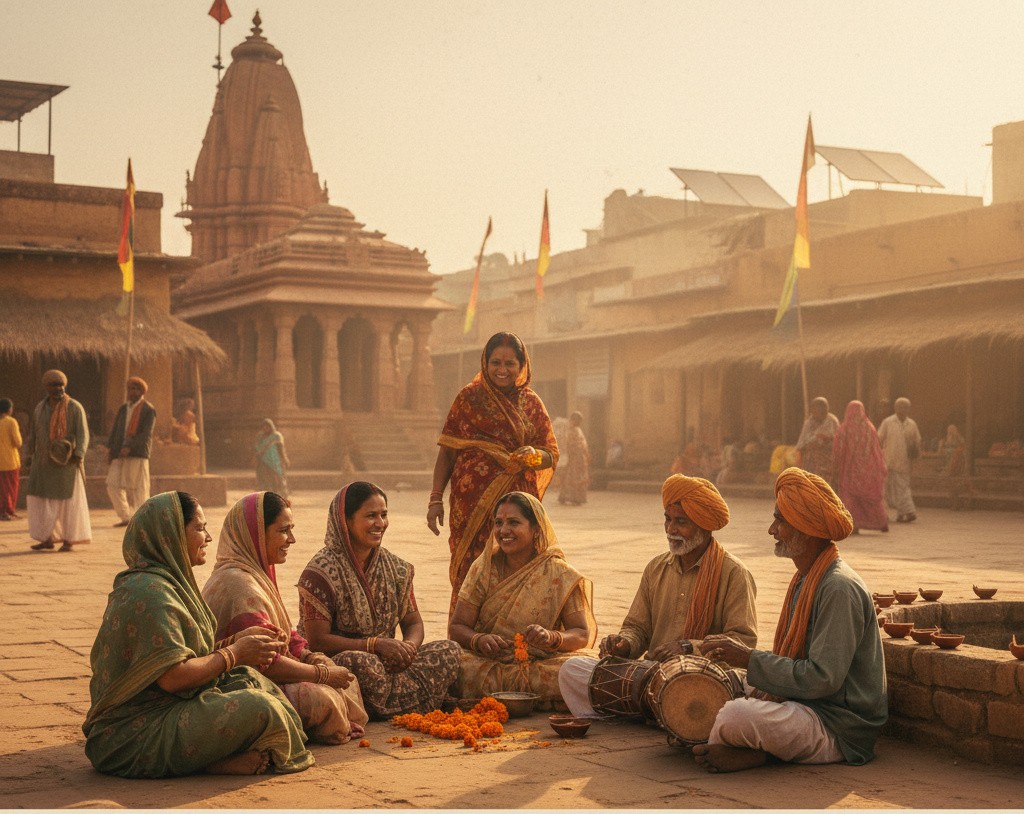
As the Year Ends, the Story Continues
As 2025 closes, Bihar stands calm, reflective, and ready. Ready to be explored slowly. Ready to be understood deeply. Ready to surprise those willing to look beyond the obvious.
If this year taught us anything, it is this:
Bihar is not a destination you visit once.
It is a story you return to.